
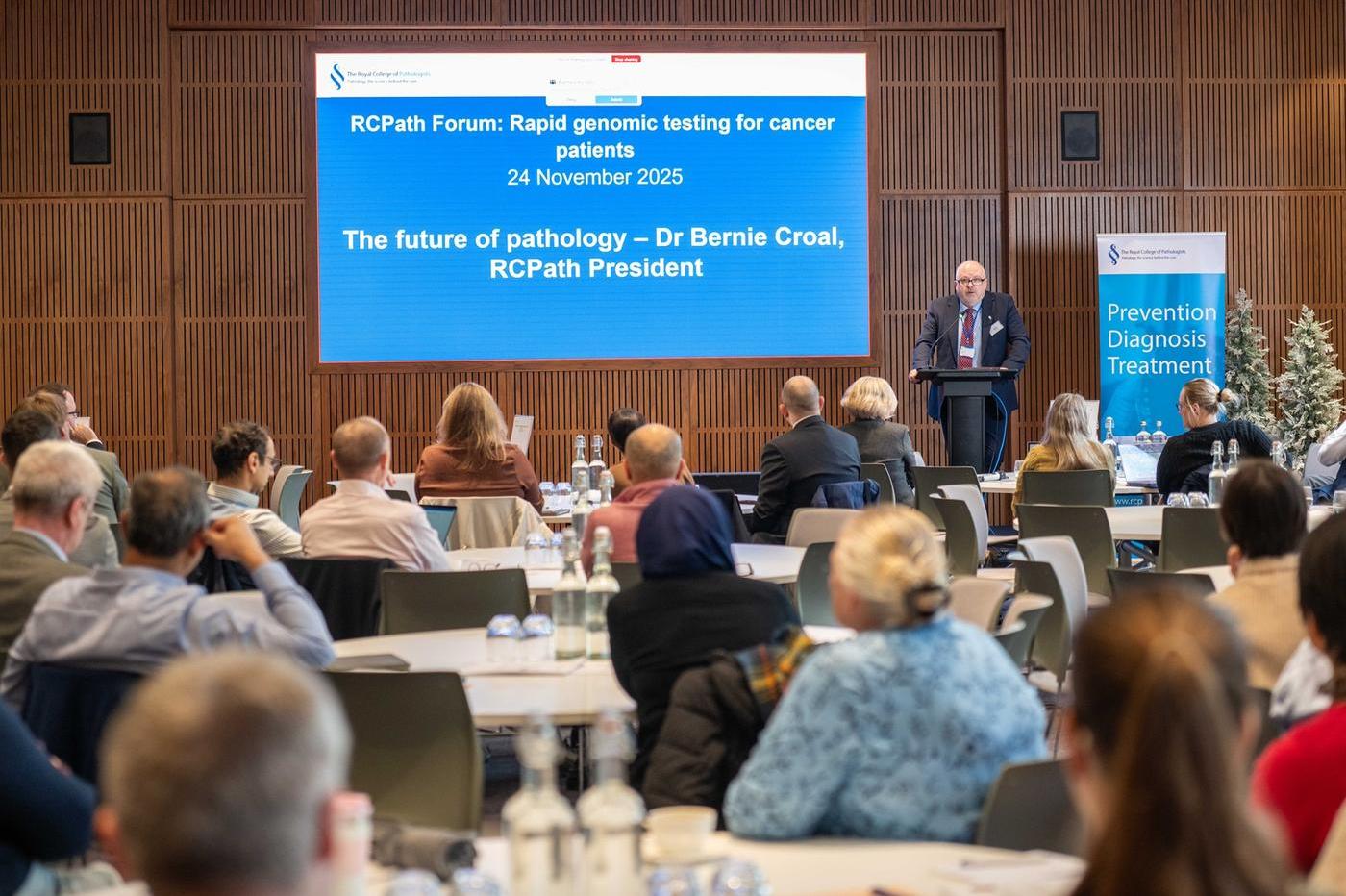
On Monday 24 November, the RCPath held a hybrid event, ‘RCPath Forum: Rapid genomic testing for cancer patients, with 100+ delegates attending in person and 150 online. The event’s programme included talks from experts providing perspectives from government, cellular pathology, genomic laboratories, pharmaceutical industry and diagnostics companies.
Planning the event
The development of the programme was led by Professor Paul Waring, RCPath Special Advisor on Industry Engagement. To plan the event, Professor Waring worked with a group of RCPath Fellows and other stakeholders, two AI researchers investigating potential impacts of generative AI technologies on consensus making and decision making in complex healthcare environments, and the RCPath Corporate and Public Engagement team.
Speaker sessions
The first speaker session, ‘Scene-setting’, was chaired by Professor Sarah Coupland, RCPath Registrar and George Holt Chair in Pathology at the University of Liverpool. Speakers included Professor Bernie Croal, RCPath President, who spoke on ‘the future of pathology’, and three speakers representing NHS England’s Genomics Unit, who provided an overview of the current genomic testing structure, and plans for the next ten years. Perspectives were also provided by representatives from oncology, the pharmaceutical industry and cancer patient charities.
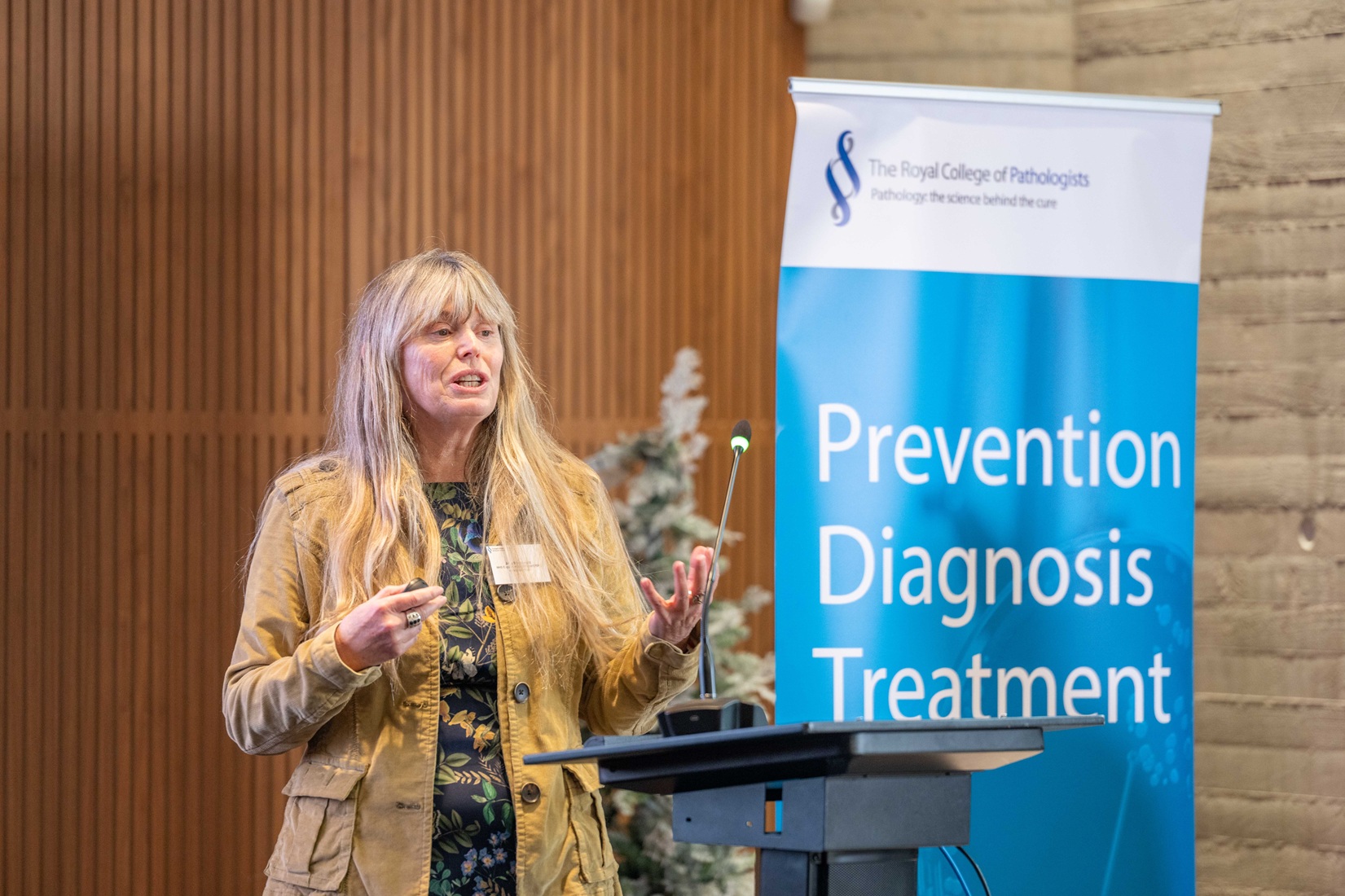
After a coffee break, speakers from the UK, US and Australia presented talks on alternative approaches to cancer genomic testing, including technologies such as rapid frontline next-generation sequencing and liquid biopsy. This session was chaired by Professor Peter Johnston, Vice President for Workforce and Corporate Engagement.
Breakout discussions
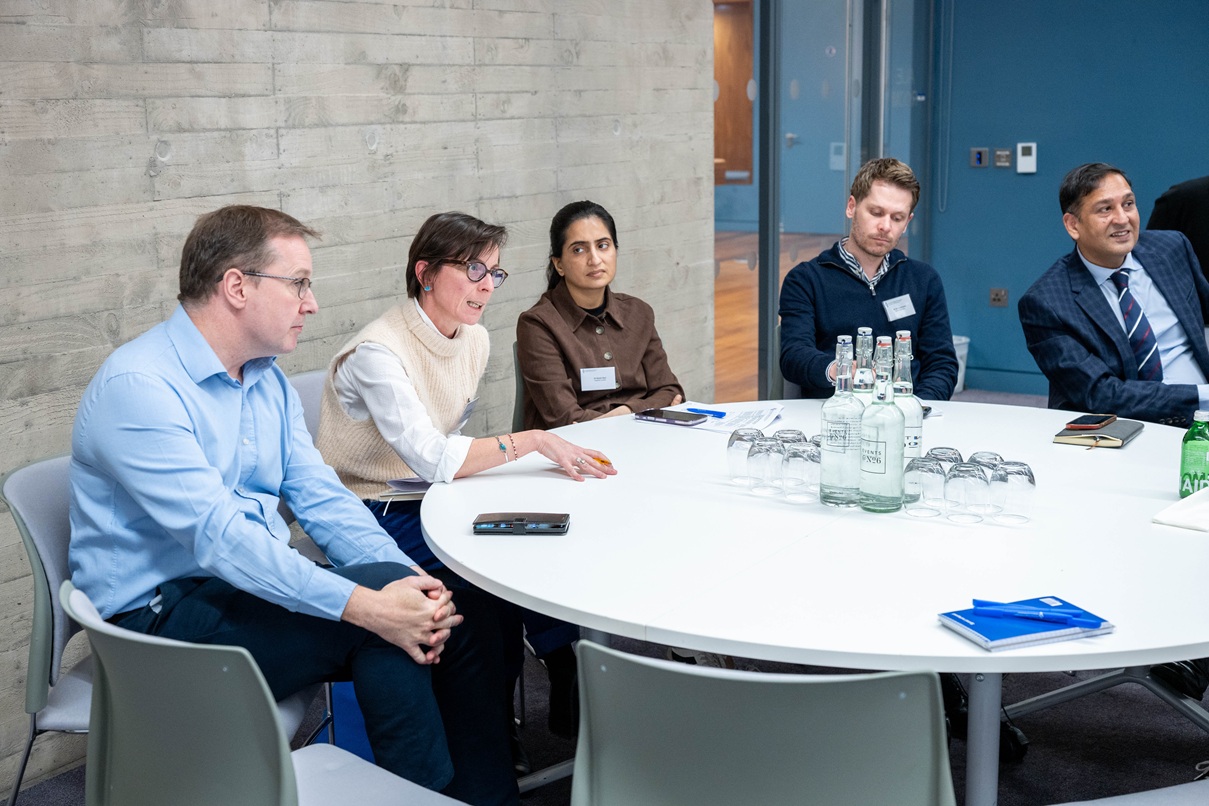
In-person delegates were asked to select one of six breakout group discussion topics after the lunchbreak: “Quick for the Sick” testing; Testing for the “Waiting well"; Integrating biomarkers; Tissue vs liquid biopsy; Workforce training and Clinical trial screening. They then spent an hour discussing these topics in relation to cancer genomic testing, with each breakout group then selecting a spokesperson to report back to the rest of the delegates in the main room. One of the researchers, Helen Bentley, joined a group of the online delegates for a separate discussion, involving participants completing a series of questions on their views on cancer genomic testing in the UK.
Outputs from the event
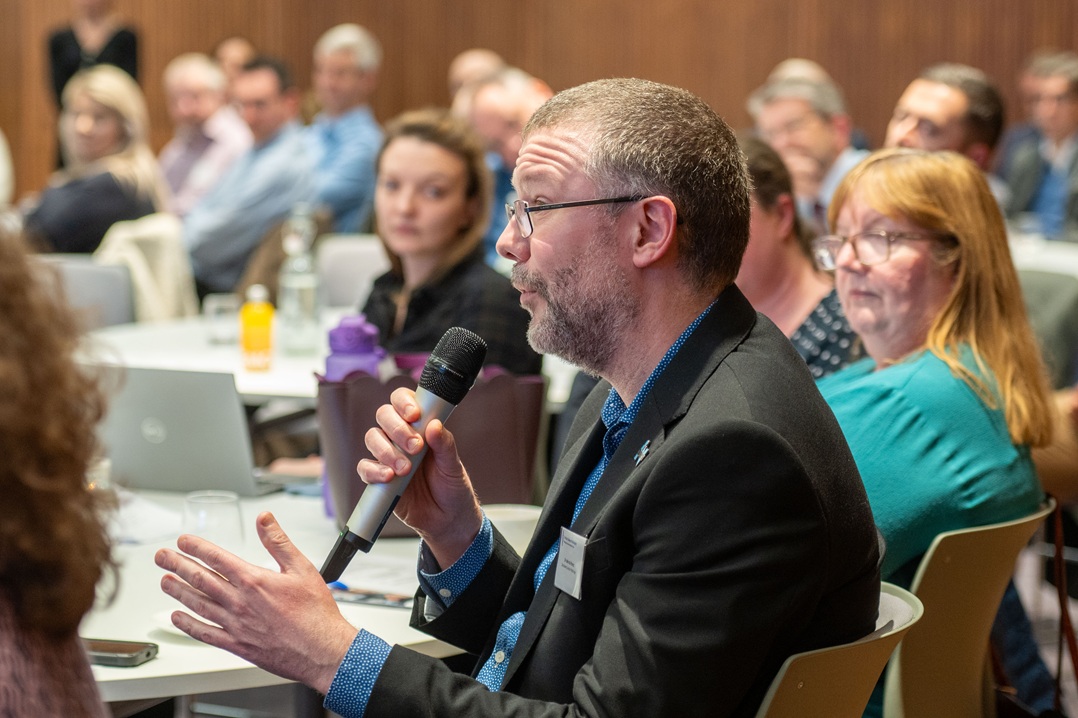
The innovative format also included short surveys throughout the day, to capture and track opinions and thoughts of delegates. The data from these and recorded breakout discussion groups, will inform a generative AI model that will support the writing of a consensus statement on how best to configure genomic testing services for cancer patients in the UK.
RCPath Fellows and Officers will be involved in the final edits to this document, which will set out the College’s position on this important issue. Further information on this will be shared in early 2026. The College is also setting up a short life working group which will focus on some of the issues raised at the meeting last month. The details of this will be provided in due course.

Acknowledgements
The event successfully brought together stakeholders with a range of perspectives and offered a unique opportunity for sharing and reflecting on differing insights and concerns. We thank all the speakers for their excellent talks, and all delegates for their participation in what was a very packed programme. We are grateful to the event sponsors, Roche Diagnostics, AstraZeneca, Pillar Biosciences, Biocartis and Panakeia Technologies Ltd.
Author(s)
