
The President's opening address

Dr Bernie Croal, President of The Royal College of Pathologists

Professor Peter Johnston, Vice President for Workforce and Corporate Engagement at the Royal College of Pathologists

Jim Campbell from the World Health Organization
In conversation with Mr Jim Campbell, Director of the Health Workforce Department at the World Health Organization (WHO)
The morning opened with a keynote led by Professor Peter Johnston, Vice President for Workforce and Corporate Engagement at the Royal College of Pathologists, and Jim Campbell from the World Health Organization. Their discussion explored the evolving role of the pathology workforce in global healthcare and the urgent need for collective action.
Jim reflected on progress toward the UN Sustainable Development Goals, noting gains in maternal and child health and infectious disease control but warning that global progress is off track. With just 5 years to go, he asked what actions are needed to accelerate progress and strengthen health systems. Professor Johnston added that in today’s era of polycrises, countries face mounting demands as they strive for universal health coverage.
The conversation turned to pathology: how do we overcome gaps in workforce data and convince governments of the value of investing in pathology? Education, retention, and pay disparities were highlighted as pressing concerns, alongside opportunities for innovation such as AI and digital technologies. Jim closed with a call to action, challenging the College and its networks to help WHO make workforce data publicly accessible and ensure this collaboration moves to the next stage.
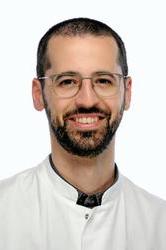
Jun Professor Dr Roman David Bülow, Institute for Pathology, RWTH Aachen University Hospital, Germany
Navigating AI in pathology education: Barriers, competencies and best practices
Professor Dr Bülow’s session explored how the rapid integration of AI is reshaping diagnostic workflows and medical training. He emphasized the need for educators to prepare trainees for an AI-augmented future while safeguarding essential human judgment. The discussion addressed barriers to incorporating AI into pathology curricula, concerns about deskilling and automation bias, and strategies to balance technology adoption with clinical expertise.
Best practices from early adopters highlighted the importance of governance models, interdisciplinary teaching, and staged implementation to maintain pathologists’ supervisory roles. The goal remains clear; harness AI to improve efficiency without compromising the interpretive skills and ethical accountability that define quality patient care.
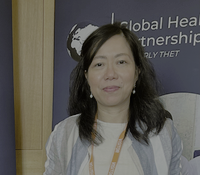
Dr Thinn Hlaing, Consultant Chemical Pathologist & Country Director Myanmar, Global Health Partnership
Bridging, building, boosting resources
The third talk shared the inspiring decade-long journey of the Myanmar–UK health partnership; a story of bridging systems, building capacity, and strengthening resilience in pathology and laboratory medicine. What began as a response to resource limitations evolved into a sustainable model of knowledge exchange.
Through co-created digital learning platforms and tailored training programs, the partnership empowered biomedical scientists in Myanmar, improving diagnostic quality, laboratory safety, and confidence in practice. Even amid political upheaval, progress continued, proving that when expertise is shared and trust is built, stronger laboratories and a more equitable future for patients can emerge.

Dr Shahin Sayed, Associate Professor, Department of Pathology, Aga Khan University Hospital Nairobi, Kenya
Building pathology capacity in East, Central and Southern Africa
The next talk revealed a stark reality: at current training rates, countries in East, Central, and Southern Africa would need over 400 years to match pathologist-to-population ratios seen in high-income nations. To tackle this, the College of Pathologists of East, Central and Southern Africa (COPECSA) was created to harmonise postgraduate curricula, accreditation, and examinations, enabling a fellowship program recognized across multiple countries. This approach improves training quality and ensures qualifications are portable, so specialists can work where they’re most needed.
Challenges remain; financial sustainability, uneven national buy-in, political instability, and weak infrastructure. However strong partnerships with universities, regional colleges, and international societies have driven progress. Looking ahead, sustainable financing, digital pathology networks, and AI integration offer hope for building a regionally integrated workforce and closing Africa’s diagnostic gap.

Emerging trends and future technical directions in computational pathology
The last of the talks went into how computational pathology is moving beyond single-modality analysis toward multimodal and conversational AI systems. By integrating histology with clinical and molecular data, and enabling natural language interaction with complex cases, these approaches not only promise more personalised and accessible decision support, but also greater efficiency. Efficiency is an essential factor in addressing the worldwide shortage of pathology expertise. This talk highlighted key innovations and emphasised the vital role of pathologists in guiding their safe and effective adoption.
The roundtable discussion
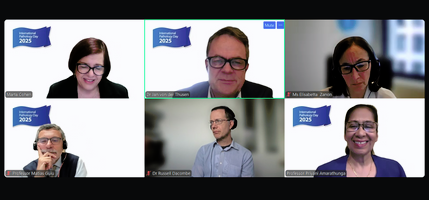
Going clockwise: Professor Marta Cohen, Vice President for Learning, RCPath, Dr Jan von der Thüsen, Deputy Head of Department, Associate Professor, Department of Pathology and Clinical Bioinformatics, Erasmus MC, Rotterdam, Ms Elisabetta Zanon, CEO, European Cancer Organisation, Professor Xavier Matias-Guiu, Professor and Chairman of Pathology, Hospital U Arnau de Vilanova, University of Lleida, Spain; President of the European Society of Pathology, Mr Russell Dacombe, Senior Research Associate, Liverpool School of Tropical Medicine and Professor Priyani Amarathunga, Professor in Pathology, Consultant Histopathologist, Faculty of Medicine, University of Colombo.
The global pathology workforce: addressing emerging challenges and opportunities together was the final activity of the conference. Chaired by Professor Marta Cohen, Vice President for Learning, the session brought together five panellists who discussed five key questions
The panel highlighted a growing global pathology workforce crisis, driven by rising demand, ageing populations, and increasing complexity of cancer care. Across Europe and beyond, shortages are already affecting patient access, professional wellbeing, and equity of care. Despite playing a central role in diagnosis and treatment, pathology continues to face challenges with visibility, recruitment, and retention. Improving working conditions, addressing burnout, and better showcasing the value of pathology were seen as essential steps to building a sustainable workforce.
Discussions also emphasised the need for smarter ways of working. Digital pathology, AI, and the expanded role of pathology assistants were identified as key enablers of efficiency, education, and collaboration, particularly in lower- and middle-income countries, where workforce shortages are compounded by limited resources and brain drain. However, the panel stressed that technology alone is not enough; sustained investment in people, training, infrastructure, and quality systems is critical to ensuring resilient diagnostic services now and in the future.
Lunchtime talk

The College’s new workforce strategy
The lunchtime presentation highlighted the Workforce Strategy, its phased approach, and the progress achieved so far toward building a well-supported pathology workforce capable of meeting current and future demands.
Announcing our poster competition winners
After lunch, Professor Marta Cohen, RCPath Vice President for Learning, revealed the winners of this year’s International Pathology Day poster competition. Join us in congratulating the 3 outstanding entries featured below!
This year’s theme, ‘Celebrating the Impact of Pathology,’ inspired creative submissions from individuals and teams worldwide. across diverse pathology specialties. View all the superb entries and the accompanying selfie style video at our poster competition page.
A huge thank you to our judging panel Professor Tahir Pillay, Professor Marta Cohen, and John Weldon for selecting the winners:
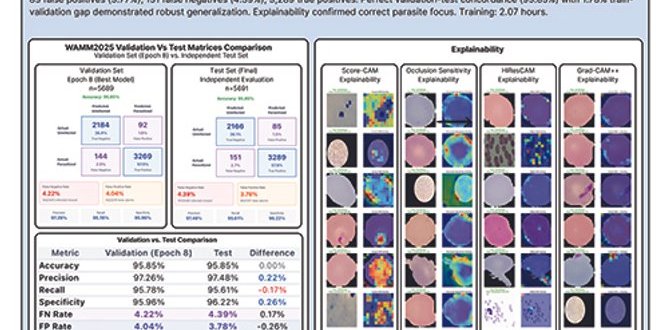
- First prize: Dr Waddah Ahmed, Deep Learning for Automated Malaria Parasite Detection: A Cross-Dataset Validation Study
- Second prize: Marina Sass, Architectural patterns and AKTs expression in HGSOC and HRD status
- Third Prize: Dr Stephanie Zhang and Dr Jeanne Boissiere, Case Report – Malignant Renal Epithelioid Angiomyolipoma


Undergraduate quiz for National Pathology Week & International Pathology Day
On Wednesday 12 November when we hosted a pathology-themed online quiz for undergraduates all over the world studying medicine or biomedical science or similar degrees. Dr Matthew Clarke and Dr Reham Hassan led teams through 5 fun-filled rounds. Congratulations to the winning team, Dragon path from Egypt. Dragon path team members; Amr Ewis Ragab Tamam, Abdelrahman Hassan Mohammed, Ahmed Rizk Nawar.
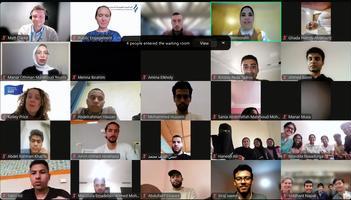
A snapshot of other IPD celebrations
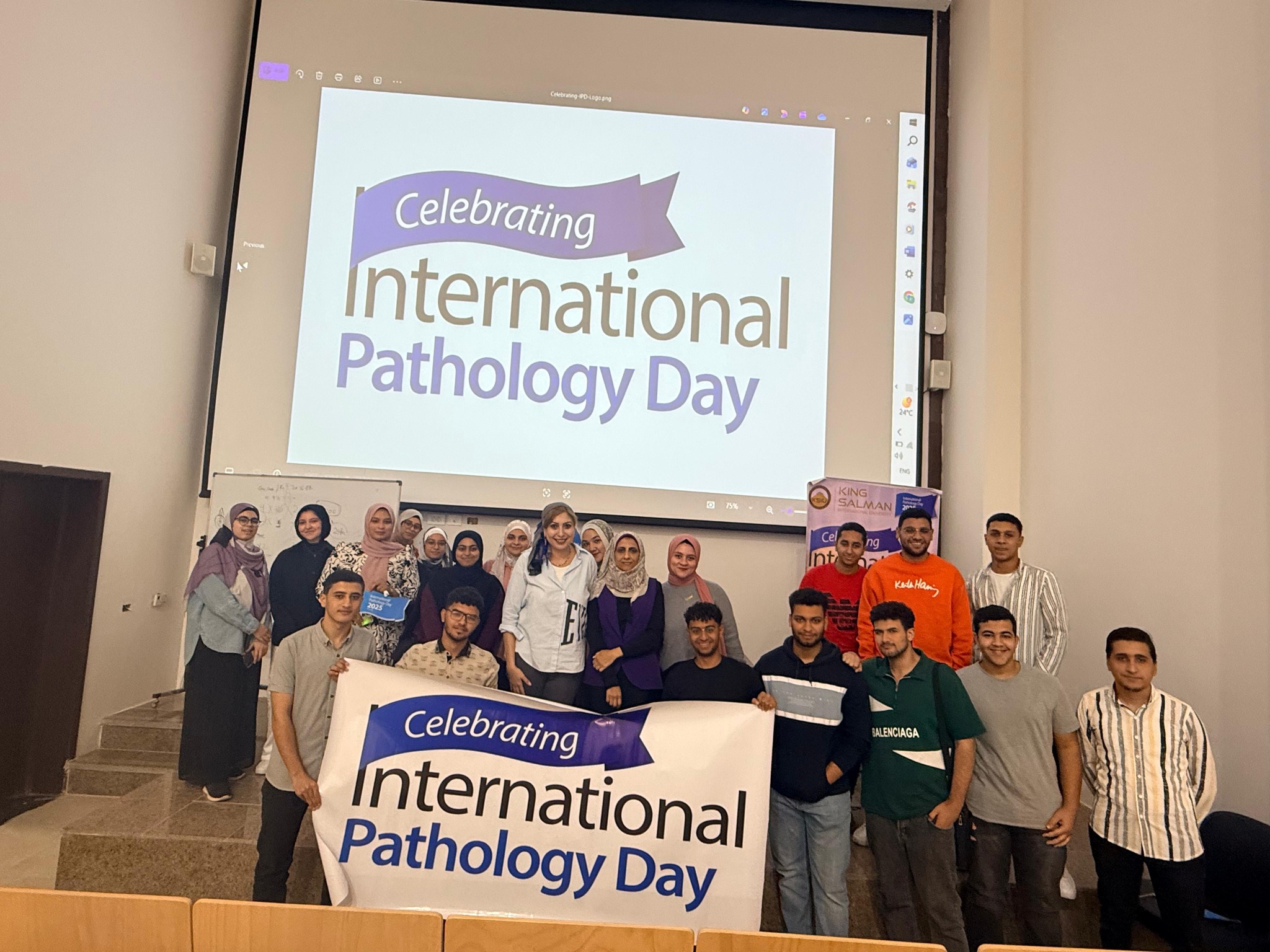
On the 4 December 2025, King Salman International University (KSIU), in partnership with the Royal College of Pathologists (UK), hosted a virtual conference in celebration of International Pathology Day 2025 themed 'Empowering Pathologists through Interprofessional Collaborations: A Call to Action.' The event featured 17 sessions exploring innovations in pathology, healthcare, and education, with topics ranging from AI and nanotechnology to forensic pathology and planetary health.
Bringing together participants from across 5 continents, including leading experts and advisors from Egypt, the UK, UAE, Saudi Arabia, Spain, and Singapore. This global gathering fostered collaboration and knowledge exchange across diverse disciplines, paving the way for advancements in pathology and improved patient care worldwide.
Acknowledgements
Thank you to the British Society for Haematology and Diagnexia for kindly sponsoring the event, to all our speakers, the chairs, poster competition judges and participants.
Join us next year
On Wednesday 11 November 2026 we explore The future of Pathology in an Era of Personalised Medicine. Further details of next virtual conference for International Pathology Day will be available in the summer.
Author(s)
