
- Published:
- 21 October 2026
- Author:
- Dr Bernie Croal
- Read time:
- 7 Mins
Welcome to the October edition of the Bulletin, which this time focuses upon the topic of allergy and with specific reference to the National Allergy Strategy. This comes at a time when immunology and allergy services are under significant pressure, with many consultant posts lying vacant or removed from the pool.
Meanwhile, we have an inadequate number of trainees in post to help bridge the gap. This is why the College and others have focused on this particular workforce, given the crucial role immunologists play. The RCPath Clinical Immunology Workforce Report, published at the end of last year as part of our Workforce Strategy, painted a very concerning picture and has allowed the College to lobby heavily for change.
This, of course, marks my final College Bulletin as President, with my 3-year term coming to an end in November 2026. The last 3 years have been particularly challenging for healthcare, for pathology and for the College. Post-pandemic backlogs, economic downturn, workforce shortages and the impact of global conflicts on supply chain and laboratory costs continue to limit pathology modernisation and much needed workforce planning.
We have also seen a new UK government come in, 3 Prime Ministers and 4 Secretaries of State for Health and Social Care in just over 2 years, and new governments in Wales and Scotland – plus a succession of reviews and plans for the future of the NHS, including the abolition of NHSE, and all the instability this has brought. A strong College voice has been vital against this backdrop and will continue to be heard in the years ahead.
We must also take time to reflect on significant developments and achievements across the College over the last 3 years – achievements made possible by the hard work of both staff and our army of volunteer members.
Workforce Strategy 2025–2028
We developed this new strategy to improve our data collection and analysis providing powerful evidence so that the voice of the College could make a more significant impact on national discussions around training, retention and reform of the workforce and services.
Corporate membership
Although we had a corporate membership scheme for some time, our stronger focus since 2025 seeks to promote a partnership between the College and industry that supports and improves patient care. We now have 10 corporate partners across diagnostics, pharma and digital/IT, all working closely with the College to develop educational offerings, policy papers and external events where the combined stronger voice of the profession and industry can really amplify our message.
Digital Strategy
We set up a new Digital Strategy Board with links to 2 College committees for digital histopathology and pathology informatics, sitting alongside the British Society of Haematology’s Digital Haematology Taskforce and the Association for Laboratory Medicine’s (LabMed) UK AI & Informatics Special Interest Group.
Stronger voice for pathology
The College has been able to develop a more potent presence, standing up for pathology services by virtue of our partnerships with industry and charities, our robust workforce strategy and by working closely with senior NHS groups, government, parliamentarians and kindred associations.
New Consultants’ Committee
We brought together newly appointed consultant pathologists and scientists to better inform and lead on aspects of pathology services, careers and actions more relevant to this group.
Pathology Alliance
We developed a strengthened, more representative alliance with the inclusion of 2 industry umbrella organisations and a sharing of the chair with IBMS and Lab Med on an annual basis.
Devolved nations
Annual physical meetings and the creation of a new Celtic Nations Forum have brought together representatives from government, senior NHS/clinical leads, College officers and our senior management team to discuss common issues impacting the whole of the UK.
RCPath Trading
Increased use of the College building – by supporting external client meetings, symposia and social events, and providing filming locations for national and international organisations – has become increasingly important in bringing in significant income to resource the College.
Other developments
We have strengthened specialty advisory and trainees’ committee, worked to reestablish both technical and interpretative EQA support systems, set up a new Patient Safety Steering Group, improved our membership support service, initiated the beginnings of a switch to a new digital exams format and, as lead royal college, moved the medical examiner system to a statutory service in September 2024.
There have been challenges as well – ongoing financial struggles, with an annual deficit presenting in recent years, examination issues and the delayed implementation of our new data platform. The College has and continues to respond to these challenges professionally, efficiently and with a view to supporting our fellows, members and trainees throughout.
It has been one of the great privileges of my life to step into the role of President of this College for the past 3 years – a time that I will look back on as the highlight of my professional career, and one which has been very enjoyable and productive. I have met a huge number of exceptional people, made a lot of friends (and learned many new skills and gained much new knowledge. During this time, I have also welcomed 2 grandkids and had to say goodbye to my parents – life events, good and bad, cannot be stage managed.
My time has, of course, been supported by College staff, the senior management team, honorary officers, clinical directors and the many volunteers that the College hugely depends upon. I am hugely thankful to them all and the continued success of the College over the last 3 years very much lies at their door.
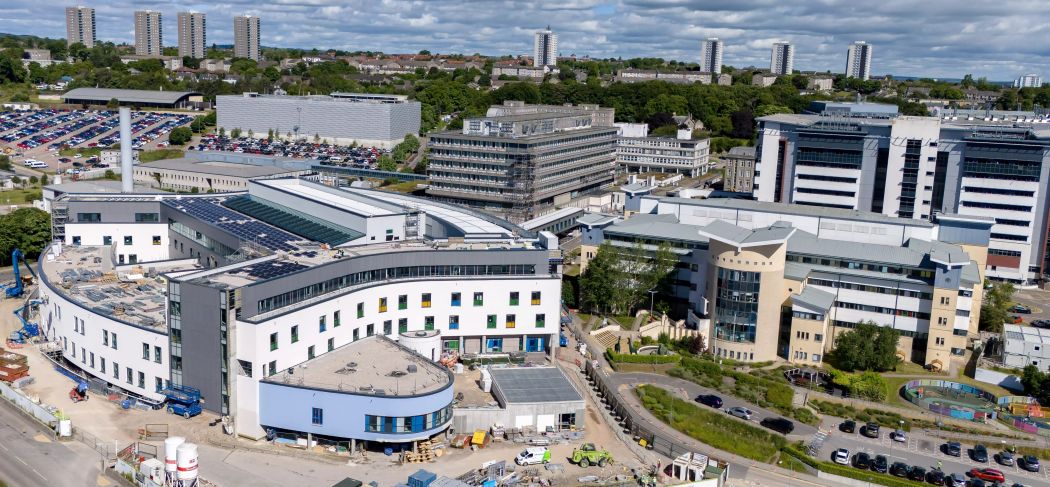
My own personal journey continues, and I will continue to volunteer for College work going forwards. I will, however, refocus on my NHS day job, and I am due to once again return to the clinical director role for my department in Aberdeen, the week after demitting College office. Our department notably celebrates its 100th anniversary this year, having been set up in 1926 to help support the emerging discoveries in diabetes and the return of Professor John Macleod to Aberdeen following his co-discovery of insulin, for which he was jointly awarded the Nobel prize.
As Clinical Director for Pathology Services in Aberdeen, I have always realised the importance of making space to support College and other external work. It is no accident that we currently have the RCPath President, 2 Vice-Presidents, Registrar elect, exam panel chair, Informatics Committee Chair, as well as the President-Elect for LabMed within our NHS department in Aberdeen – a model that other organisations could learn from. It’s not about what we lose, it’s about what we gain.
The future should be bright, especially given the increasing role and importance of pathology services at driving not just diagnoses but increasingly defining management and therapy for individual patients – true personalised medicine. AI should not be seen as a threat but as a tool to assist our services, bringing productivity and efficiency gains that will be needed to help balance the demand/capacity challenges facing us as the population ages. AI will not replace pathologists, but pathologists using AI will replace those that don’t.
Current economic, workforce, regulatory and political challenges will continue, and that is why we need a strong College to continue to present that informed professional voice to ensure that government, healthcare and patients understand the need to support pathology services. Maintaining fellowship membership is essential for College income, but it is also important that we maintain contributions from our volunteers, essential for exams, quality and safety, standards, guidelines, workforce intelligence and many other College functions – the future of the College depends on it, as does your own future professional wellbeing.
Finally, I wish the new President, Professor Sarah Coupland, the new officers, clinical directors, committee chairs and members all the very best going forwards. I have huge confidence that the College is in good hands.
To the College, in all its capacities, forms, idiosyncrasies and irregularities, and to the staff and members – thank you. I will miss you all.
Meet the author
-

Dr Bernie Croal
President, Royal College of Pathologists
Read next
Introducing our theme: the National Allergy Strategy
21 October 2026
Patient safety and quality strategy: from set-up to action
21 October 2026

Introducing our Trainee Advisory Committee Chair
21 October 2026