
After successfully navigating the recruitment process, I was able to take up my post as a clinician scientist and consultant paediatric neuropathologist in the first week of January. I had expected something to be drastically different, but, in reality, the day it became official felt much like any other. In fact, everyone thought I was a consultant already. I took this as a positive sign ─ a marker of a smooth and effective transition. I hope others will feel in a similar position.
There have been other exciting developments too. I now have my own office at the Institute of Cancer Research (ICR) complete, with a digital setup that allows me to access the Great Ormond Street Hospital (GOSH) network and report cases directly from my desk. I am very much embracing the digital revolution in pathology and keen to demonstrate how well it can work.
The department at GOSH have also built an office for me, which I am very grateful for, and I am looking forward to moving in. Despite being an advocate for digital pathology, I have yet to fully embrace the digital arena of literature (i.e. the Kindle) and I am excited to have more space for books.
Once reaching the position of consultant, which, at times in our careers, can feel so far away and perhaps unachievable, we may be faced with the question, “what next?” From my perspective, the answer is that there remain abundant and exciting opportunities ahead. The challenge is to think carefully about where and what they might be.
Embracing opportunities and volunteering
The role was demanding, but it taught me a huge amount about teamworking, navigating challenging conversations, and understanding more about the role of the College and other pathology specialties.
Ever since I was a foundation doctor, I’ve found extracurricular activities rewarding. I always engage with these opportunities because I enjoy them, value the chance to help others and see clear personal benefit. Yes, they can be time-intensive, sometimes spilling into weekends or evenings, and require significant preparation, but for me, the benefits far outweigh the perceived costs. The challenge for me has always been maintaining balance, and not overcommitting to my own detriment.
There is a huge range of opportunities to engage with. As a pathology resident, I was actively involved in the RCPath Trainees’ Advisory Committee, first as the examinations representative, then as the Vice Chair and, finally, as the Chair for 4 years. The role was demanding, but it taught me a huge amount about teamworking, navigating challenging conversations, and understanding more about the role of the College and other pathology specialties.
I am particularly proud of several workstreams, including our anti-bullying and harassment campaign, which reinforced that such behaviour has no place in pathology. This campaign was very important to me and others. Supporting trainees during the pandemic, contributing to the development of the Pathology Portal, and encouraging conversations about errors and mistakes in pathology are among the other projects I enjoyed.
These experiences led to wider leadership roles, including unexpectedly becoming the Chair of the Academy of Medical Royal Colleges’ Trainee Doctors’ Group (ATDG). From this I was able to explore wider healthcare policy and politics. At times I felt out of my depth, but it was a valuable opportunity to navigate challenges, develop new skills and explore new interests.
I have continued volunteering for the College, currently as the RCPath Undergraduate and Foundation Lead, where I support careers webinars, the Pathology Summer School, taster events and essay prizes. While day-to-day work can present many challenges that can feel overwhelming at times, events like these always remind we why I chose this specialty.
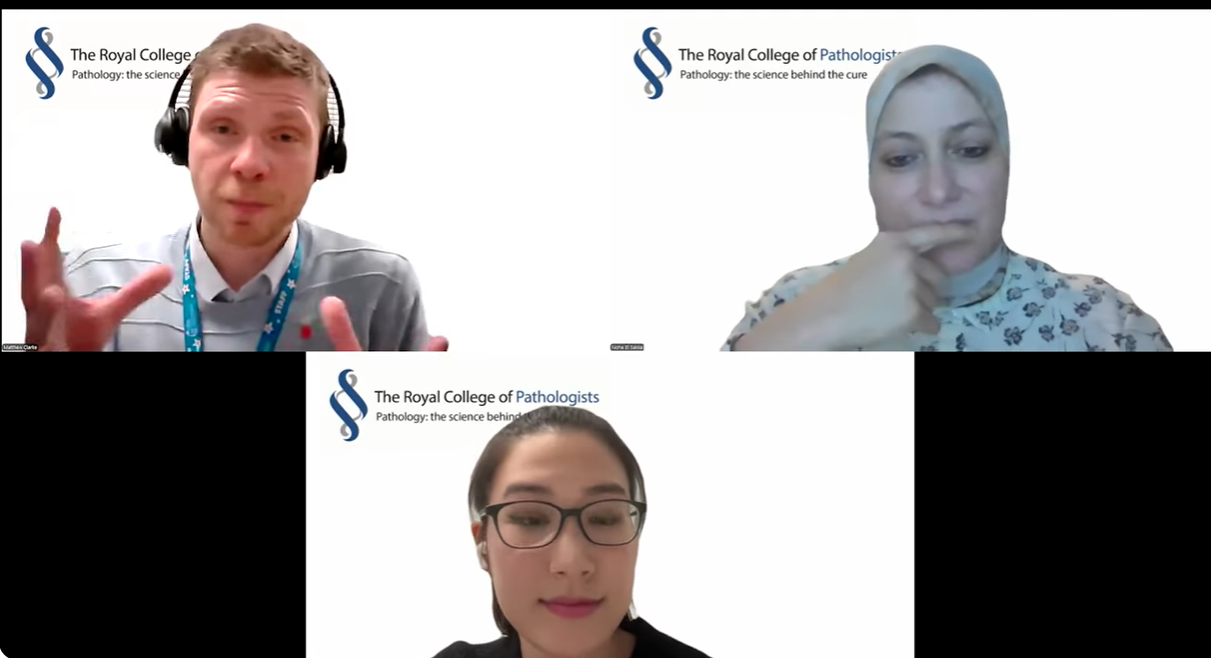
The variety of volunteering opportunities I have been involved in is also something I am proud of. I was the Editor of the Association of Clinical Pathologists’ quarterly publication ‘ACP news’ for 3 years, which gave me valuable experience of medical writing and editing. I was also the Deputy Meetings Secretary and I am now the Meetings Secretary for the British Division of the International Academy of Pathology (BDIAP), helping me to develop further skills in overseeing and organising large pathology meetings and educational events.
Challenges of time and support from departments
One of the biggest challenges related to these types of opportunities is finding the time to devote to them. Clinical demands are high and ever increasing, making it difficult to maintain a work-life balance. Taking on additional opportunities can tip the balance the wrong way and this is something you must be vigilant of.
Securing support from departments can be difficult; however, many of the engagements and opportunities offer benefit not just for you personally, but also for the department, either directly or indirectly. Highlighting these mutual benefits in discussions is important. It is equally important for organisations who are seeking volunteers to provide appropriate support. By recognising the demands of your clinical responsibilities and personal life, and by managing the demands of voluntary commitments, you can help ensure healthy engagement with them all.
“You never stop being a trainee”
As a consultant, you will never be able to know everything. But by continuously building a library of case experiences, you can learn from them and share this knowledge with others.
As a resident, I was fortunate to have the opportunity to interview Professor Sir James Underwood. It was a lovely conversation that could have continued for hours. One of the key points I remember him sharing during the interview was “you never stop being a trainee.” This has really hit home now that I have become a consultant.
My training has provided me with both the knowledge and experience needed to deal with challenging cases and apply appropriate techniques and strategies to achieve a diagnosis for a patient. However, there will always be cases where I really don’t know what the answer is or are difficult to solve. This is where the continued training becomes apparent.
As a consultant, you will never be able to know everything. But by continuously building a library of case experiences, you can learn from them and share this knowledge with others. This also links in with continuous professional development (CPD). Engagement with CPD is essential and you are expected to attend specific meetings or courses each year to stay up to date with the latest advances. The College supports this process by providing access to a CPD portfolio, which you can keep updated with the various activities you are undertaking. Given that we work in a very fast-paced and cutting-edge specialty, it is really important that we engage with CPD to ensure we continue to be at the forefront of diagnostics.
Looking to the future
I am a naturally reflective person, and while out birdwatching or walking around historical sites, I often consider the question of “where will my career take me next?”. It is an important question for all of us to ask from time to time and the appraisal process offers the opportunity to give it serious thought.
Our aims and goals change as we progress through our lives and careers. It is important to be mindful of this and to consider if our careers continue to align with our priorities and aspirations. If they do not, or you are unhappy in what you are doing, it may be time to make a change.
...there may be aspects of your job that you feel particularly passionate about; embrace these interests and see if they can develop into opportunities that bring you significant personal rewards.
Volunteering opportunities, whether that might be being part of a committee, chairing a Specialty Advisory Committee (SAC) for the College or helping at a public engagement event, may provide you with some variety in your professional life while also being a very rewarding experience. Equally, there may be aspects of your job that you feel particularly passionate about; embrace these interests and see if they can develop into opportunities that bring you significant personal rewards.
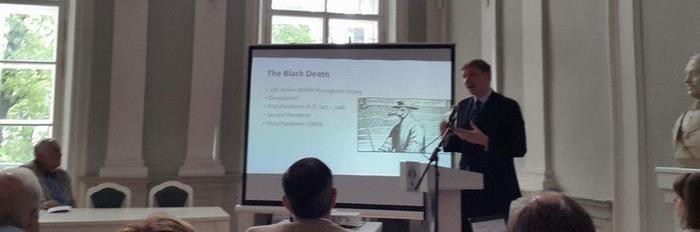
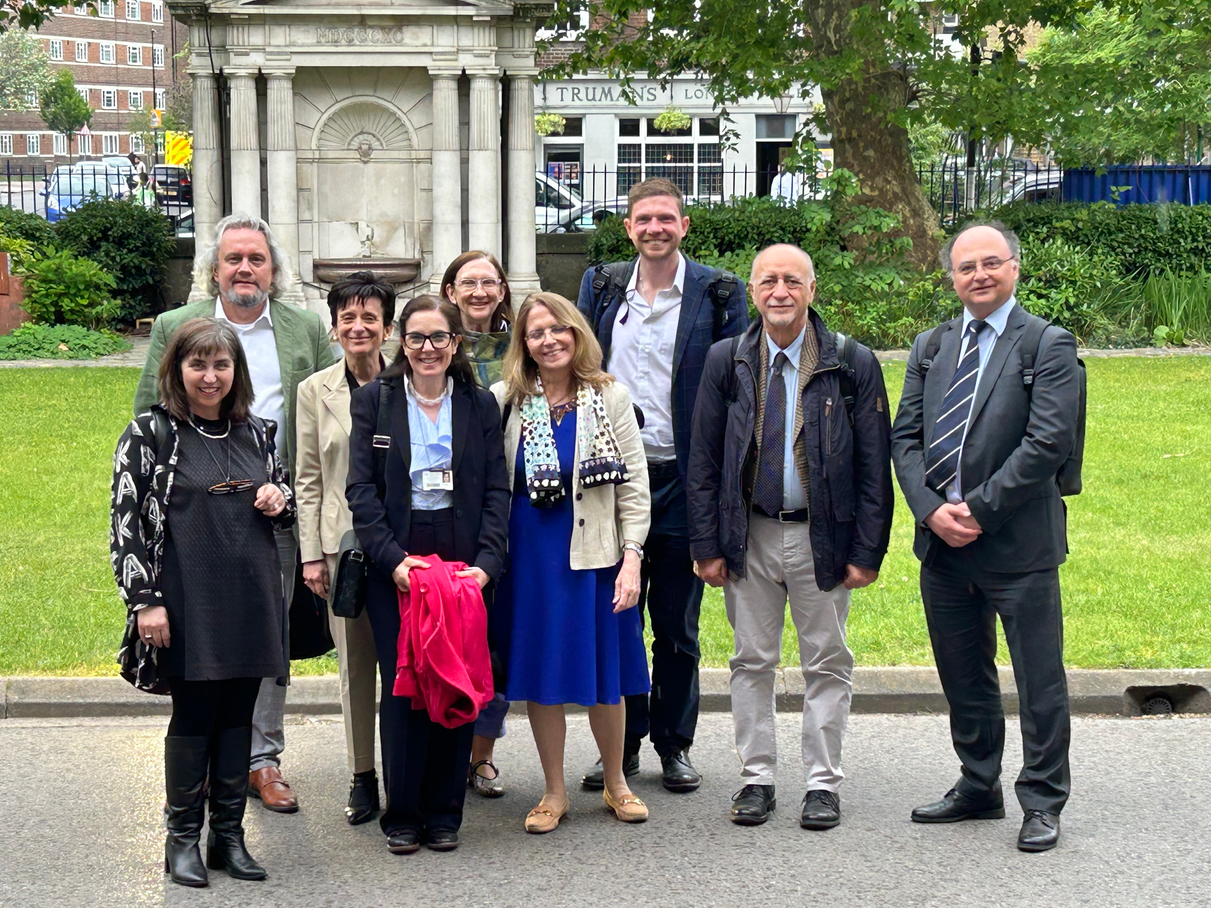
There may be opportunities to combine your interests both in and outside of work. For example, I enjoy both reading about history and visiting museums and historical sites – my English Heritage and National Trust memberships are well used! When I became an ST1 resident, I heard about a History of Pathology Working Group within the European Society of Pathology. I submitted an abstract to their session at one of the congresses, which was accepted, and this led to further invitations to speak at their other meetings. Through this opportunity, I have visited some incredible places around the world, including Madeira, Florence, Padua (where I gave a talk in the very place Galileo once taught mathematics), St Petersburg and many more. While these experiences require time and preparation, there are huge rewards, for example spending time among like-minded people who also enjoy history. I would strongly urge you to seek out comparable opportunities that align with your passions and interests.
Final reflections
I am less than 6 months into my consultant career, yet I already feel like I have traversed a significant journey, one filled with unexpected encounters, obstacles and challenges, but also many positive outcomes. We are living in uncertain times, and it can be hard to feel optimistic in such circumstances. However, I do feel a lot of optimism for our specialty and my volunteering work has undoubtedly contributed to this positive outlook.
I also believe that new consultants represent an ‘untapped resource’ by many large organisations. I am full of fresh perspectives, ideas and experiences of how current systems and practices can be updated and improved. I am not alone in this drive and motivation. Pathology organisations could engage more actively with this group of people who have the potential and drive to bring about change for the better. We should no longer be thinking about leadership roles through the traditional lens – it does not need to be reserved for those more senior in their careers. Instead, we could embrace change and include individuals at all stages of their career. This inclusive approach could bring a fresh outlook to such positions and who knows where it might lead.
Across all aspects of my career ─ clinical practice, research or voluntary roles ─ I have had the privilege of meeting incredible and inspiring people. Through these experiences, I have developed new skills and found new mentors who have provided much-needed advice at career junctures and crossroads.
I thrive on continued learning (probably unsurprising given my addiction to books and reading) so engaging with CPD as part of my role is never a chore but rather something I enjoy.
Who knows what will come next, but I am excited to see what direction my career takes and I hope that you will be too for yours.
You can find out more about volunteering at the College, including current opportunities, by visiting our website. The College will be celebrating Volunteers’ Week from 1 to 7 June, during which we will be highlighting the invaluable contributions made by our dedicated volunteers.
Information on CPD, including the CPD portfolio and approved activities and events, can also be found on our website.
Author(s)
