This event is being delivered in partnership with Illumina.

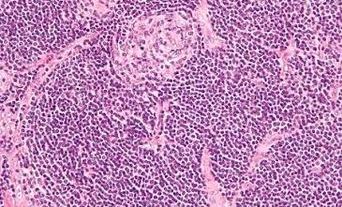
Sarcomas comprise a highly heterogeneous group of tumours where accurate classification is often challenging using morphology and immunohistochemistry alone. In this webinar, we will discuss how integrated genomic profiling—combining whole-genome sequencing (WGS), RNA sequencing, and DNA methylation profiling—can improve diagnostic precision and refine tumour classification. Using real clinical examples, the session will illustrate how these technologies detect structural variants, fusion genes, copy-number alterations, and epigenetic signatures that are not identifiable with conventional testing. The talk will also address practical considerations for clinical implementation, including interpretation of results, integration with histopathology, and the potential impact on patient management.
The speaker will be Dr Felix Haglund de Flon, a clinical pathologist and principal investigator at Karolinska Institutet and Karolinska University Hospital, Stockholm. The event will be chaired by Professor Adrienne Flanagan, an academic pathologist/clinician scientist at University College London. A Q&A will follow Dr Haglund de Flon's talk.
This event will take place at 12:30pm and last approximately 1 hour.
CPD
This meeting is worth 1 CPD point (self credited).
Our speaker
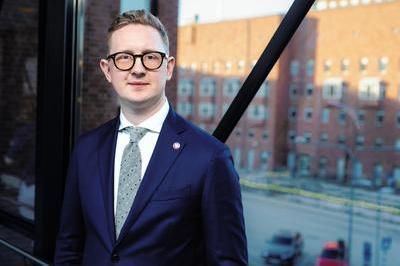
Dr Felix Haglund de Flon, MD, PhD
Felix Haglund de Flon is a clinical pathologist and principal investigator at Karolinska Institutet and Karolinska University Hospital, Stockholm, where he specializes in soft tissue and bone tumour pathology and molecular cancer diagnostics. He leads research focused on the molecular characterization of sarcomas and other rare cancers using integrated multi-omics approaches, including whole-genome sequencing, transcriptomics, epigenomics, and proteogenomics.
Dr. Haglund de Flon has been instrumental in the clinical implementation of comprehensive genomic profiling for sarcoma diagnostics at Karolinska University Hospital, integrating advanced sequencing technologies into routine clinical practice. His research aims to refine tumour classification, identify clinically actionable biomarkers, and improve diagnostic precision and treatment stratification for patients with rare and complex cancers.
His group combines genomic and functional approaches with computational analysis to better understand sarcoma biology and tumour heterogeneity.
Dr. Haglund de Flon has authored numerous scientific publications in leading oncology and pathology journals and actively contributes to international collaborations focused on rare cancer research and translational molecular diagnostics.
Our chair
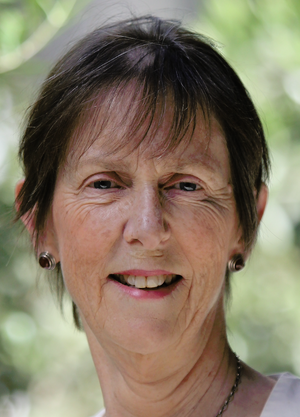
Professor Adrienne M Flanagan MB PhD FRCPath FMSci, OBE
Adrienne is academic pathologist/clinician scientist at University College London who has practised bone and soft tissue pathology at the Royal National Orthopaedic Hospital for 25 years at UCL, where she has been head of department and clinical lead respectively. She has published over peer-reviewed 300 papers and contributed to the WHO books on Soft Tissue and Bone Tumours.
Her research has delivered the molecular classification for multiple types of primary bone tumours for which biomarkers are now used globally (chordoma, chondrosarcoma, giant cell tumour of bone and chondroblastoma). She has a particular interest in osteosarcoma and the genome complexity of this tumour that makes it so difficult to treat. Her main focus now is the development of a Clinical Diagnostic Support Platform for sarcoma and their mimics – combining an AI-driven image classifier and a knowledge base.
Professor Flanagan works closely with patients and their families with the aim of improve the standard of care for these diseases.
She has been President of Pathological Society of Great Britain and Ireland and in recognition of her contribution to cancer research she has been awarded an OBE, the William Gerald Award from Memorial Slone Kettering Hospital in New York and the Goudie Medal for outstanding research from the Pathological Society.