Overview
The RCPath has a long and distinguished history in veterinary pathology. Membership and Fellowship examinations in veterinary pathology have been conducted since the 1970s. Today, Fellowship of the RCPath continues to carry significant professional recognition, with Fellows acknowledged as specialists by both the Royal College of Veterinary Surgeons (RCVS) and the Veterinary Council of Ireland (VCI).
We are delighted to present the RCPath Veterinary Pathology Spring Webinar Series, a programme designed to engage and educate pathologists, residents, specialists, veterinary surgeons, and undergraduate students across all specialties. The series will feature sessions on anatomical pathology, clinical pathology, and microbiology, covering topics of current relevance and interest. These include large animal disease surveillance, with a focus on emerging viral threats such as Bluetongue virus, wildlife forensic pathology, lipases, immunohistochemistry and pathology findings associated with telemetry devices and therapeutic oligonucleotides. The series will conclude with a dedicated discussion of the RCPath Fellowship examinations in veterinary pathology/microbiology, offering guidance and insight for those considering this qualification.
Talk 1: Pathology findings associated with therapeutic oligonucleotides in lab animal species
RNA‑targeting therapeutics, including antisense oligonucleotides (ASOs) and small interfering RNA (siRNA), are synthetic nucleic acids designed to modulate gene expression by binding specific RNA sequences. Through distinct mechanisms of action, these agents can modulate the synthesis of proteins. Major advances in oligonucleotide chemistry have led to favorable safety profiles and the regulatory approval of 14 ASO and 8 siRNA therapeutics over the past three decades. However, toxicological findings remain a key challenge in preclinical development and are largely driven by the chemical modifications incorporated in the synthetic oligonucleotide sequence. This talk outlines the general principles and mechanisms of action of ASO and siRNA therapeutics and highlights representative toxicity considerations encountered during preclinical drug development.
Talk 2: Pathology Findings Associated with Telemetry Device in Beagle dogs
Telemetry-instrumented beagle dogs are implemented during cardiovascular safety assessment in early drug development for the collection of cardiovascular function parameters such as electrocardiography, heart rate, mean arterial pressure, and cardiac contractility to predict cardiovascular risk in humans, aligning with recommendations in ICH guidelines S7A and S7B. Telemetry implants provide a sensitive and robust method for monitoring arterial blood pressure in dogs and it is important to take into account procedural-related pathology when dogs are reallocated in other exploratory toxicology studies as part of 3R for animal use in research. The objectives of the talk aim to discuss procedural-related macroscopic and histopathological changes in chronically-implanted telemetry device dogs.
This event will take place at 12:30pm and last approximately 1 hour.
CPD
This meeting is worth 1 CPD point (self credited).
Veterinary Pathology Spring webinar series - 5
-

Pierluigi Fant
SPEAKER
Pierluigi is a Principal Veterinary Pathologist at Charles River Laboratories in Lyon, France. He graduated from the University of Bologna, Italy, in 1997 and obtained the French specialization in anatomic pathology (DESV) and the ECVP board certification. With over 20 years of experience, he currently serves as primary and peer‑reviewing pathologist on preclinical drug development across multiple species, therapeutic areas and compound classes, with particular interest in nonhuman primates and therapeutic oligonucleotides. He is an active contributor to scientific publications and professional societies including the European and French ToxPath Societies and the post-graduate French residency program in Veterinary Pathology.
-
Davide Corbetta
SPEAKER
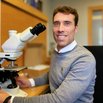
Davide is a board-certified pathologist and veterinary medical doctor working in the nonclinical pathology area (drug safety) in the field of regulatory/toxicological pathology. Davide graduated from University of Milan in 2011. After spending two years in general veterinary practice and clinical pathology industry, he then completed a 3-year combined master’s degree and residency training program in anatomic pathology at Nottingham University. He then worked for 3 years in academia as pathology assistant professor, before relocating to Charles River laboratories. Davide has a particular interest in mentoring, teaching, toxicological pathology, diseases of rabbits and wild badgers and dermatopathology.
-

Dr Stuart Naylor
LEAD SPEAKER
Stuart Naylor is a Principal Pathologist within the pathology department at Charles River Laboratories in Edinburgh. He graduated from the University of Edinburgh in 1999, after which he commenced a PhD on the molecular basis of the persistence and pathology of E. coli O157:H7 in cattle based jointly at the Moredun Research Institute and the University of Edinburgh. After gaining his PhD in 2003 he took up the position of Research Scientist in the Scottish Agricultural College, developing interests in other aspects of bacterial diseases of livestock including vaccine development. He joined the pathology department of Charles River Laboratories in Edinburgh in 2008 and became a fellow of the Royal College of Pathologists by examination (laboratory animals) in 2012. He has published numerous papers in peer reviewed journals in the fields of toxicological pathology and infectious disease and is the chair of examiners for veterinary pathology at the Royal College of Pathologists.