
Industry Leaders' Forum 2026
Event report
Event programme
Programme
Event Chair: Professor Peter Johnston, RCPath VP for Workforce and Corporate Engagement
Please note that this programme is subject to changes.
|
Time |
Session |
|
10:00 |
Registration and Tea/Coffee |
|
10:30 |
Welcome Dr Bernard Croal, President, RCPath |
|
10:35 |
Ministerial address Dr Zubir Ahmed MP, Parliamentary Under-Secretary of State at the Department of Health and Social Care |
|
10:45 |
Keynote address Dr Rhydian Phillips, Director of Diagnostics & Transport, NHS England |
|
11:00 |
Coffee break |
|
11:20 |
The UK Life Sciences Sector Plan and pathology (presentation and Q&A) Helen Dent, Chief Executive, BIVDA |
|
11:35 |
Benefits of working in partnership with the RCPath – short talks from Corporate Member representatives with a Q&A
Please note – MSD-UK representatives will not be able to answer any questions on products or pipelines. |
|
12:00 |
The National Cancer Plan for England – how can pathology and industry work together to support key priorities? Ravi Chana, Executive Director, Diagnostics, ABHI |
|
12:10 |
Reclaiming productivity in histopathology: evidence from the frontline (presentation and Q&A) Dr Andrew Clarke, Consultant Histopathologist, Airedale Hospital and Director of PathoLogic Ltd |
|
12:30 |
Lunch |
|
13:30 |
Breakout discussion groups on following topics introduced by Professor Peter Johnston, RCPath Vice President for Workforce and Corporate Engagement 1. What are we trying to achieve with IT interoperability? (Alie Room - second floor) Diane Gaston, Director of Communications, RCPath 2. Digital pathology and AI – identifying priority areas that achieve most gains for patients (Terrace Room - sixth floor) Professor Clare Verrill, Professor in Cellular Pathology and AI with Nuffield Department of Surgical Sciences, University of Oxford, and Consultant in Cellular Pathology (Uropathology) at Oxford University Hospitals NHS Foundation Trust Penny Fletcher, Corporate and Public Engagement Manager, RCPath 3. Genomic cancer testing – advancing the service in partnership (Carlton Room - second floor) Dr David Moore, Consultant Thoracic and Molecular Pathologist, University College London Hospitals NHS Foundation Trust Daniel Ross, Chief Executive Officer, RCPath 4. How can industry and the College work together to support academic pathology/ translational research? (Park Room - second floor) Professor Roland Fleck, Director of Centre for Ultrastructural Imaging, Kings College London Ian Hopper, Director of Corporate Services, RCPath 5. RCPath conference – involving industry in inaugural RCPath congress/ conference (Elizabeth Room) Conor Meany, Director of Business Development, Conference Partners International Colm O’Grady, Commercial Director, Conference Partners International Katherine Timms, Director of Professional Practice, RCPath 6. Sharing experience and looking at ways to improve productivity in histopathology (Grosvenor room – second floor) Professor Sarah Coupland, Registrar and President Elect, RCPath Janine Aldridge, Public Affairs Officer, RCPath 1 hour facilitated discussions in separate rooms grouped by above topic areas. |
|
14:30 |
Coffee and tea |
|
14:50 |
Feedback from each discussion group chaired by Professor Peter Johnston, RCPath Vice President for Workforce and Engagement Summary points from the discussions Professor Sarah Coupland, RCPath Registrar |
|
15:20 |
Summary of the day and next steps Dr Bernard Croal, RCPath President |
|
15:30 |
Close |
Speakers
Dr Zubir Ahmed MP, Parliamentary Under-Secretary of State at the Department of Health and Social Care
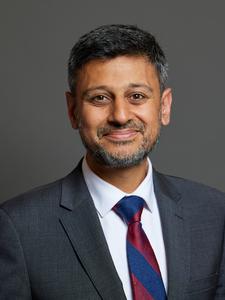
Dr Zubir Ahmed MP was appointed Parliamentary Under-Secretary of State for Health Innovation and Safety in September 2025. He was elected MP for Glasgow South West in September 2024.
Before entering politics, Minister Ahmed began his career in general, vascular and transplant surgery, serving patients in Glasgow and London and working on the frontline of the NHS for 20 years. He continues his medical practice alongside his Ministerial post, and is a Fellow of the European Board of Surgery and the Royal College of Physicians and Surgeons of Glasgow.
Ravi Chana, Executive Director, Diagnostics, ABHI
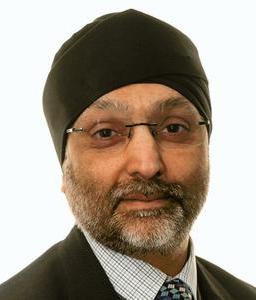
With over 30 years of experience in the Life Sciences sector, Ravi has built a career specialising in Healthcare Diagnostics. His expertise spans Sales, Marketing, Market Access, Business Development, and Health Economics. Ravi has worked with both the UK Department of Health and the Department for International Trade, where he played a pivotal role in connecting HealthTech innovators with leading UK universities and the NHS. He was also seconded into DHSC during the pandemic to support industry engagement.
As the Executive Director, Diagnostics at ABHI, Ravi is driving collaboration between government, the NHS, academia, and industry to champion the value of diagnostics in healthcare.
Dr Andrew Clarke, Consultant Histopathologist, Airedale Hospital; Director, PathoLogic Ltd
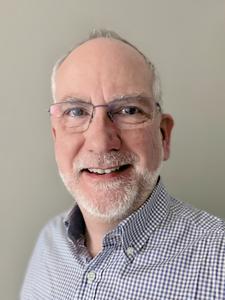
Dr Andy Clarke has been a consultant histopathologist since 1996, first in York Hospital and then in Airedale Hospital since 2018 where he now has a 4PA substantive contract. In 2022 he undertook a review of histopathology for the West Yorkshire Association of Acute Trusts focussing on the output of the 80 histopathologists and the team dynamics within the 6 histopathology departments. In 2024 he founded PathoLogic Ltd in order to develop histopathology reporting software. Over his 30 year histopathology career, Andy has seen a steady deterioration in productivity which has many facets, a large number of which are readily reversed. Reclaiming productivity in histopathology was the subject of his presentation given to the Pathology Horizons conference in Hobart last October. Andy is looking forward to presenting a combination of observations and readily achievable solutions that will go a long way to restoring productivity in Histopathology reporting and then continuing the conversation in an afternoon breakout session.
Professor Sarah Coupland, Registrar and President Elect, RCPath
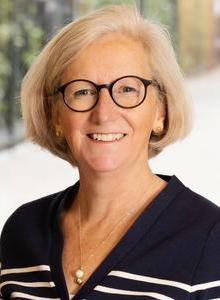
Prof Sarah Coupland has expertise in ophthalmic pathology, haematopathology, molecular and digital pathology, and Biobanking.
In 2006, Prof Coupland established the ‘Liverpool-Ocular-Oncology-Research-Group’ (www.loorg.org), a multidisciplinary team, focussing on ocular melanomas, lymphomas, and other eye cancers. She is the ‘George Holt Chair of Pathology’ at the University of Liverpool (UoL) (>2013). She leads Digital Pathology at the UoL and has been involved in several multicentre DigPath and AI-related projects, particularly in eye cancers, and launched the EYE-CAN-AID (Eye cancer AI digital) Bioresource in March 2025.
Prof Coupland is the current Registrar, and the President Elect, of the Royal College of Pathologists. She is also President of the “Pathological Society of Great Britain and Ireland”.
She has published ~350 scientific articles (H-index:69/Scopus), has written ~150 Chapters, including some within the UICC/TNM Staging system for Ophthalmic Tumours, as well as the WHO ‘Blue’ Tumour Volumes (Eye, Haematopathology, Skin and Paediatric cancers).
She has won several awards for research and teaching, including the International Council of Ophthalmology's ‘Eye Pathology Award’ & the 2019 RCPath Excellence Award. She was included in the “Pathologist Power Lists” of 2019, 2020, 2021 and 2023, and was also listed in the “Top 100 Influential Women in Ophthalmology” in 2021 and 2024. Prof Coupland was awarded an Honorary Fellowship of the Royal College of Ophthalmologists (FRCOphth) in 2023, for her significant contributions to Ophthalmic Pathology. Most recently Sarah was awarded an Honorary Fellowship of the Royal College of Pathologists of Australasia (March 2026).
Dr Bernard Croal, President, RCPath
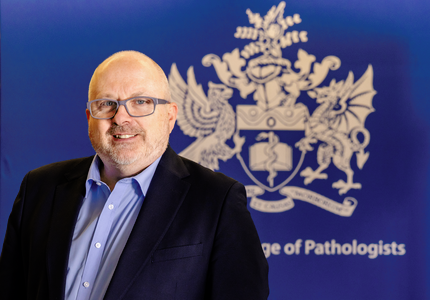
Dr Bernie Croal is an NHS Chemical Pathologist from Aberdeen specialising in intravenous nutritional support. He is a science and medicine graduate, and trained in general medicine, chemical pathology and Health Services/Public Health Research. He has spent a long career in various leadership roles within NHS Scotland including clinical director and regional lead for pathology, NHS Scotland demand optimisation lead and chair of the Scottish Clinical Biochemistry Network (SCBN). He is also a Past President of the Association for Laboratory Medicine. He is a fellow of 3 colleges of physicians and the Institute of Biomedical Science. Within RCPath he has chaired many committees and served as Vice-President from 2011-14 and is now President until November 2026.
Helen Dent, Chief Executive, BIVDA
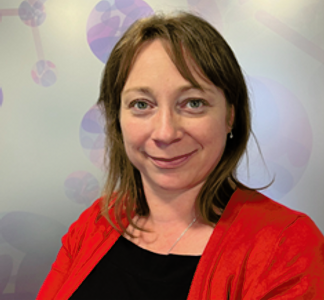
Helen is the CEO at BIVDA. Helen comes from a commercial background specialising in procurement and has held roles at NHS PASA in pharmaceutical purchasing and childhood vaccines, as well as pharmacy and diagnostics procurement for Surrey and Sussex Confederation, and National Contracts Manager for laboratory goods at NHSBT.
Helen worked for 11 years in several roles across UK and Europe at Abbott, leading supplier management and contract provision for managed services, as a leading industry expert in structure and delivery of pathology laboratory services across multiple hospital sites in the UK and Europe.
She is a member of the Chartered Institute of Purchasing and Supply, has an MSC in Strategic Procurement from the University of Glamorgan Business School, and an LLM in Public Procurement Law and Policy from the University of Nottingham, School of Law.
Rachel Dixon, Associate Director, Oncology Policy and Communication, MSD-UK
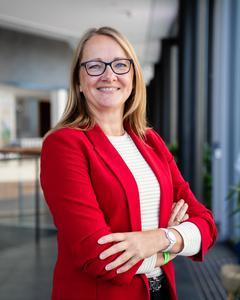
Rachel Dixon has over 20 years of cross-portfolio industry experience, having held a broad range of roles across sales, marketing, Global Patient Engagement, and corporate affairs. She is currently part of the UK Corporate Affairs team, supporting work in Oncology: Lung, GI, Blood Cancer, and Precision Medicine.
Matt Johnson, Director of Access and Innovation, Roche Diagnostics
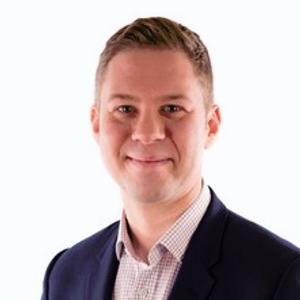
With over 20 year’s commercial experience, Matt has a proven track record of leadership, building high performing teams and fostering collaboration. He is passionate about strengthening partnerships to drive meaningful change and improve healthcare outcomes.
Matt began his career at Roche in 2002 as part of a graduate programme and has since held multiple leadership positions across the UK and Ireland. He is currently the Director of Access and Innovation (A&I), overseeing Medical Affairs, Public Affairs, Market Access, Health Economics, and 2 strategic functions - Business Development and Innovation.
Born and educated in Yorkshire, Matt studied Business & Marketing at Leeds University before embarking on his professional career in the healthcare industry. He is driven by the transformative impact that advances in healthcare can have on patient outcomes and is inspired by the opportunity to empower colleagues to grow, succeed, and contribute to meaningful change together.
Beyond his commercial and leadership achievements, Matt is passionate about leadership development and actively contributes to Roche’s leadership programs.
Professor Peter Johnston, Vice President for Workforce and Engagement, RCPath
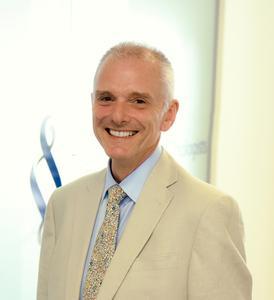
Professor Peter Johnston is a consultant histopathologist (NHS Grampian). Diagnostic work includes haematopathology, general cellular pathology and diagnostic cytopathology. An Aberdeen graduate, he has a long commitment to undergraduate and postgraduate medical education, coordinating and innovating in undergraduate teaching over many years. Current ACT-funded work is in developing laboratory medicine teaching and learning in the medical programme in the University of Aberdeen. Recent postgraduate roles include Depute Postgraduate Dean, Scotland Deanery (North). He is co-chair of the UKMED Research Group and formerly interim Director of the Scottish Medical Education Research Consortium and is part of the Centre for Healthcare Education Research and Innovation in the University of Aberdeen. His past College roles include chair of the Scotland Regional Council and Vice-President for Professionalism, along with roles and leadership in several College committees. Corporate engagement bringing benefits to pathologists and pathology is currently a major activity.
Prof Johnston’s medical workforce development research is in medical careers decision-making, including novel methods to study how students and residents value generic characteristics of training posts. Current work is Pathology-focused, exploring workforce demographics and wellbeing. Clinical learning environments, educational culture, safety of patients and staff couched in human factors principles in educational and clinical settings, and doctors’ wellbeing in COVID-19 and beyond are other areas of study.
Dr Rhydian Phillips, Director of Diagnostics & Transport, NHS England
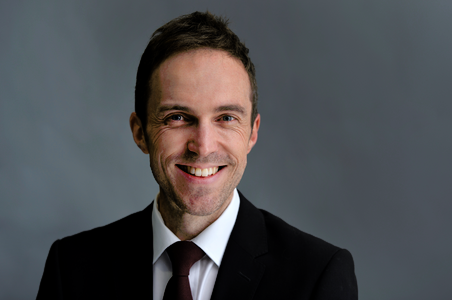
After qualifying from the University of Wales College of Medicine, Rhydian worked as a clinician in hospitals in South Wales and South West England before joining the diplomatic service, where his postings included a deployment to Tokyo.
He subsequently delivered a number of national transformation programmes in 2 Whitehall departments before rejoining the NHS in 2017. He has led the national diagnostics recovery and transformation programme since 2019. The programme is delivering a significant transformation of diagnostic services linked to the Prof. Sir Mike Richards 2020 diagnostics review while supporting the government’s public commitments on elective, cancer and UEC performance and several 10 Year Health Plan ambitions.
Programme achievements to date include transforming the model of community diagnostic provision through opening 170 community diagnostic centres, establishing a range of digitally enabled diagnostic networks, initiating the first national programme for histopathology automation, and delivering an award-winning roll out of AI embedded in imaging services.
Dr Amir Sharili, Precision Medicine Lead, Oncology, MSD-UK
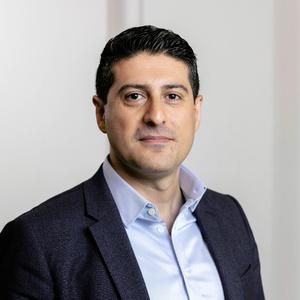
Amir Sharili has a strong scientific commitment to oncology, having completed his MSc in Cancer & Molecular Pathology and Genomics, and PhD in Solid Tumours. In addition, he completed 3 years of post‑doctoral research in cancer cell biology and authored several publications in oncology. Has over 11 years of pharmaceutical industry experience within medical affairs and oncology therapy area, with a particular focus on haemato‑oncology, lung and breast cancer. Currently he is part of the UK Oncology Medical Affairs team responsible for MSD's Precision Medicine Strategy in the UK.
Facilitators
Dr Muhammad Aslam, Consultant Histopathologist and Clinical Director, North Wales Diagnostic and Specialist Clinical Services
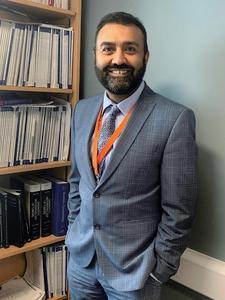
Dr. Muhammad Babar Aslam, MBBS, FRCPATH, MBA (Health care) is a consultant pathologist in Betsi Cadwaladr University Health Board. He has special interest in using digital pathology and AI platforms to improve the services across all the specialties and has led innovative projects like all Wales AI deployment in prostatic pathology followed by breast, Upper GI, and pan cancer AI projects. He has had various management roles in the NHS. Currently, he is also national clinical lead for Wales to support digital pathology and AI implementation projects.
Professor Roland Fleck, Director of Centre for Ultrastructural Imaging, King's College London
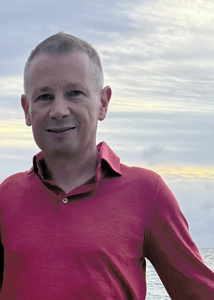
Professor Roland A. Fleck is an internationally recognised leader in biological imaging and low‑temperature biology. He serves as Professor of Ultrastructural Imaging and Academic Director of the Centre for Ultrastructural Imaging (CUI) at King’s College London, where he has spearheaded the centre’s development into a JEOL Centre for Advanced Technology, driving innovation in next‑generation cryo‑electron microscopy.
Professor Fleck’s scientific career spans cryobiology, electron microscopy and advanced 3D imaging. He earned his BSc from Heriot‑Watt University and completed his PhD at the University of Abertay, Dundee, in partnership with the Institute of Freshwater Ecology, investigating mechanisms of cell injury and recovery during cryopreservation—research that shaped his long‑standing expertise in ultrastructural analysis.
After postdoctoral work at Cornell University on plant cold acclimation using freeze‑fracture and freeze‑etch replica techniques, he led Biological Imaging and Assay Development at the National Institute for Biological Standards and Control (NIBSC), advancing imaging approaches for biological medicines and human stem‑cell differentiation.
At King’s, his research integrates cryobiology with cutting‑edge 3D electron imaging, including cryo FIB‑SEM and electron tomography, to reveal cellular organisation in systems ranging from malaria‑infected erythrocytes to neuronal synapses. He also contributes internationally as a Professor within the UNESCO Chair in Cryobiology and collaborating with the Rosalind Franklin Institute, on multimodal correlated imaging.
Professor Fleck is a Fellow of the Royal College of Pathologists (FRCPath) and the Royal Microscopical Society (FRMS). His work continues to shape the future of high‑resolution biological imaging and its applications in biomedical science
Dr Guy Hannah, Consultant Haematologist and Haemato-pathologist, King’s College Hospital
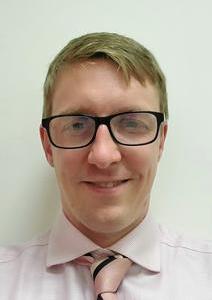
Guy is a consultant haematologist working at King’s College Hospital in south London. His main role is as a haematopathologist in the South East Haematological Malignancy Diagnostic Service, with specialist interests in genomic pathology and digital pathology. He is a nationally elected member of RCPath College Council, and founding member of the College’s Digital Strategy Board, and is co-chair of the British Society of Haematology’s Digital Haematology Task Force. He has numerous educational roles including as an FRCPath senior examiner and leads the haematology sub-committee of the Pathology Portal Editorial Board.
Professor Keith Hunter, Chair, RCPath Research Committee
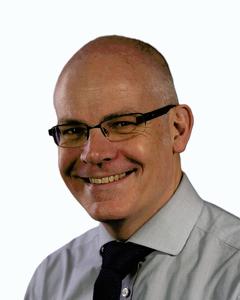
I am Professor of Head and Neck Pathology at the University of Liverpool and an honorary Cellular Pathology Consultant at University Hospitals of Liverpool Group. I completed my PhD at the Beatson Institute for Cancer Research (Glasgow) and following the completion of clinical training was appointed as Senior Clinical Lecturer and Consultant Histopathologist at the University of Glasgow. I moved to the University of Sheffield in 2009 and then to Liverpool in 2022. I am currently the President of the British Society for Oral and Maxillofacial Pathology (BSOMP), and Academic Lead for the Liverpool University Biobank.
Professor Louise Jones, Professor of Breast Pathology, Queen Mary University of London and Genomics England
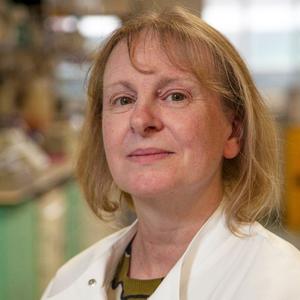
Professor of Breast Pathology, Barts Health NHS Trust and Head of Breast Research Group in Centre for Tumour Biology, Barts Cancer Institute, Queen Mary University of London, with research focus on the role of the microenvironment in mediating progression of DCIS to invasive breast cancer.
Co-Lead and Chief Scientific Officer of PharosAI – translating artificial intelligence on cancer diagnostics into the clinical setting.
Co-PI of the National Breast Cancer Now Biobank which includes the Primary Breast Cell Bank, isolating cell populations from tissues for the research community – established in 2010, now delivering samples internationally to support research.
Lead for Molecular Pathology within Genomics England during the 100,000 Genomes Project then taking on Cellular Pathology Lead for North Thames GLH. She sits on many Genomic Medicine national committees representing Pathology and contributing to discussions around improving sample handling and pathways for genomic testing.
Also Research Lead for the National Breast Pathology Co-Ordinating Committee and Editor-in-Chief of The Journal of Pathology.
A founder for the Patient Advocate Course VOICE (https://www.bci.qmul.ac.uk/about/public-engagement/voice/) which brings patients into this discussion on medicine, management and research.
Conor Meany, Director of Business Development, Conference Partners International
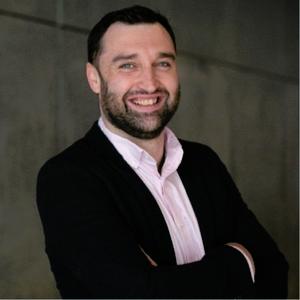
Conor is the Director of Business Development for Conference Partners International. Conor focuses on the strategic development of both existing conferences and new developments. Conor is a member of the British Association of Professional Conference Organisers and has close relationships with a wide variety of cities and venues across the UK.
Dr David Moore, Consultant Thoracic and Molecular Pathologist, University College London Hospitals NHS Foundation Trust
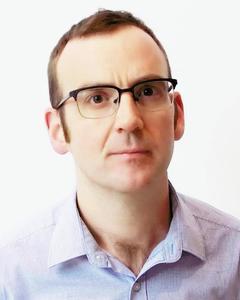
Dr David Moore is a consultant thoracic pathologist at University College Hospital and principal clinical research fellow at University College London Cancer Institute. He qualified from Barts and The London in 2005 and subsequently trained in pathology in Leicester. In 2017 he moved to UCH & UCL as an academic consultant thoracic pathologist. He has a research interest in tumour evolution in lung cancer pathological subtypes and is lead pathologist for the CRUK Lung Cancer Centre of Excellence, the PEACE Study and the TRACERx Lung Study. Alongside his clinical expertise in thoracic histopathology he has several years’ experience working within a molecular diagnostic laboratory. He is a member of the IASLC pathology committee.
Colm O’Grady, Commercial Director, Conference Partners International
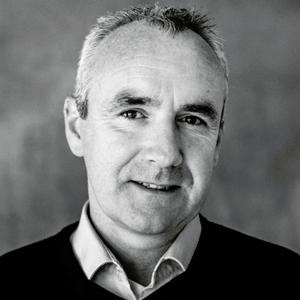
Colm is in his 13th year as Commercial Director for CPI. He works across a wide range of conferences and specialises in medical conferences requiring MedTech compliance. Colm currently works on the British Society for Haematology and the Academy of Sickle Cell and Thalassemia's Annual Conferences in the UK and has delivered a wide range of other blood and medical related conferences over the past decade.
Richard Smith, Head of Professional Practice, RCPath
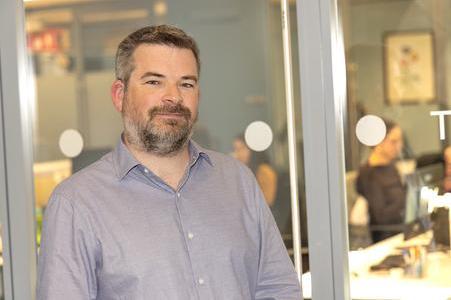
Richard Smith is the Head of Professional Practice at the Royal College of Pathologists (RCPath), where he helps shape professional standards, supports delivery of the College’s Workforce Strategy, and is responsible for strengthening member engagement. Before joining RCPath, he spent more than a decade at the British Association for Counselling and Psychotherapy (BACP). His work there included enhancing member experience, developing strategic partnerships, and delivering high‑impact professional development resources and events.
Professor Clare Verrill, Professor in Cellular Pathology and AI, Nuffield Department of Surgical Sciences, University of Oxford; Consultant in Cellular Pathology (Uropathology), Oxford University Hospitals NHS FT
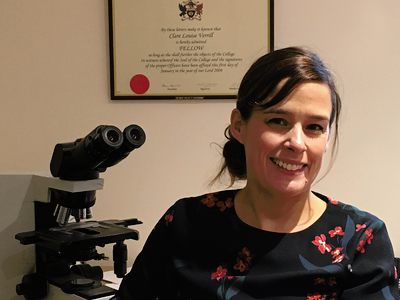
Clare Verrill is Professor of Cellular Pathology and Artificial Intelligence with the Nuffield Department of Surgical Sciences at the University of Oxford and Honorary Consultant Cellular Pathologist with Oxford University Hospitals NHS Foundation Trust. Her sub speciality is urological pathology and she has her own research group focussing on digital pathology and AI. The NHS Cellular Pathology Laboratory in Oxford has achieved the milestone of scanning 100% of surgical histology workload under her oversight. She was previously Oxford Principal Investigator for Oxford PathLAKE (one of the UK Government’s AI Centres of Excellence) and has worked with computer science partners to develop AI. She is the Principal Investigator of The Articulate Pro study, evaluating Paige Prostate AI in NHS settings and Principal Investigator of the Vanguard Path study, evaluating Artera AI. She is a previous Turing Fellow with the Alan Turing Institute.