- 18:00 - 10/11/2026 to 19:00 - 10/11/2026
- The Royal College of Pathologists , 6 Alie Street, London, E1 8QT, United Kingdom
Running as part of National Pathology Week (NPW) 2026, the event celebrates the NPW 2026 theme, 'Welcome to the Lab' by inviting anyone with an interest in working in medicine or science to join our expert speakers to find out what it’s like to work in clinical veterinary pathology.
Veterinary pathology is one of 17 specialties in pathology, and is the study of animal disease. Veterinary pathology can be divided into 2 sub-specialties: clinical and anatomical.
Veterinary pathologists work in animal disease surveillance, prevention, diagnosis and treatment.
Chaired by RCPath's Undergraduate and Foundation Lead, Dr Matthew Clarke, and co-hosted by undergraduate veterinary medicine student, Christian Atkins, this webinar features two speakers: Senior Lecturer in Veterinary Clinical Pathology, Dr Kate English and Veterinary Pathologist, Dr Sara Pflaum.
The speakers will explain what clinical veterinary pathology is and why it is important. They’ll also share their personal journeys into the specialty including their education and training, as well as their day-to-day work including any research they do.
Attendees will have the opportunity to ask speakers questions. This online event is free, but registration is essential. Book your place via the booking button to the right.
There are 12 webinars on different careers and topics in pathology running during NPW 2026. See more details on the NPW page.
To find out more about careers in pathology visit our careers pages.
Meet the speakers
Chair: Dr Matthew Clarke
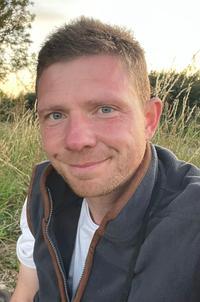
Matthew is a Clinician Scientist and Consultant Paediatric Neuropathologist based at Great Ormond Street Hospital for Children for his clinical work, and the Institute of Cancer Research (ICR) for his research. He undertook his medical training at Keele Medical School, originally choosing a career in surgery before changing to pathology. He completed a PhD in the molecular pathology of infant gliomas at the ICR. Matthew was Chair of the RCPath Trainees’ Advisory Committee from 2018-2023 and the Chair of the Academy of Medical Royal Colleges, Trainee Doctors’ Group (ATDG) from 2021-2024. Matthew is actively involved in different pathology societies, including being ‘Deputy Meetings Secretary’ of the BDIAP, a former Editor of ‘ACP news’ and the Trainee Representative for the British Neuropathological Society. He has been the recipient of awards for public engagement, research, and science communication. He featured in the Pathology Power List 2021. He is the current RCPath lead for foundation and undergraduate pathology.
Co-host: Christian Atkins
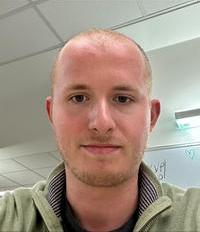
Christian is a final year Veterinary Medicine student at the University of Surrey with a passion for anatomic pathology and a desire to have a career in this fascinating field.
Speakers: Dr Kate English and Dr Sara Pflaum
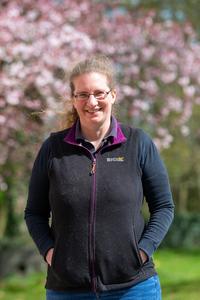
Dr Kate English initially did a biochemistry BSc before studying to be a vet. Kate then qualified as a vet (just) last century. She first went into general practice for about a year before starting a Residency in veterinary clinical pathology at the Royal Veterinary College. On completion Kate went to work for IDEXX, a commercial veterinary diagnostic pathology laboratory. She then returned to academia as lecturer in veterinary clinical pathology at RVC, before spending more time in commercial veterinary diagnostics. Kate is currently Senior Lecturer in Veterinary Clinical Pathology at the University of Surrey School of Veterinary Medicine. In her role she can look at samples from species as diverse as an Aardvark to a Zebra – or anything in between, mostly dogs, cats and horses. Spotting the causative agent on a blood smear is extremely satisfying – failing that, spotting shapes in your blood cells can keep you amused.
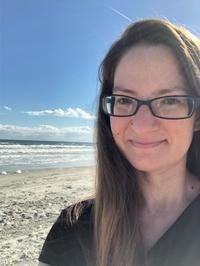
Dr Sara Pflaum qualified as a veterinarian from the University of Edinburgh in 2010 and initially worked in general practice. She began working as a clinical veterinarian in Scottish aquaculture in 2012 and has remained focused on fish since. She recently completed a residency in clinical pathology at the University of Glasgow and now works at Ocean Ecology Ltd, where she does both clinical pathology and clinical aquaculture veterinary work. Clinical pathology has historically not been used much in fish, but this is now changing with haematology and biochemistry increasingly being used in both clinical and research settings. Although fish are very biologically different from other veterinary species, a comparative approach can often be helpful.